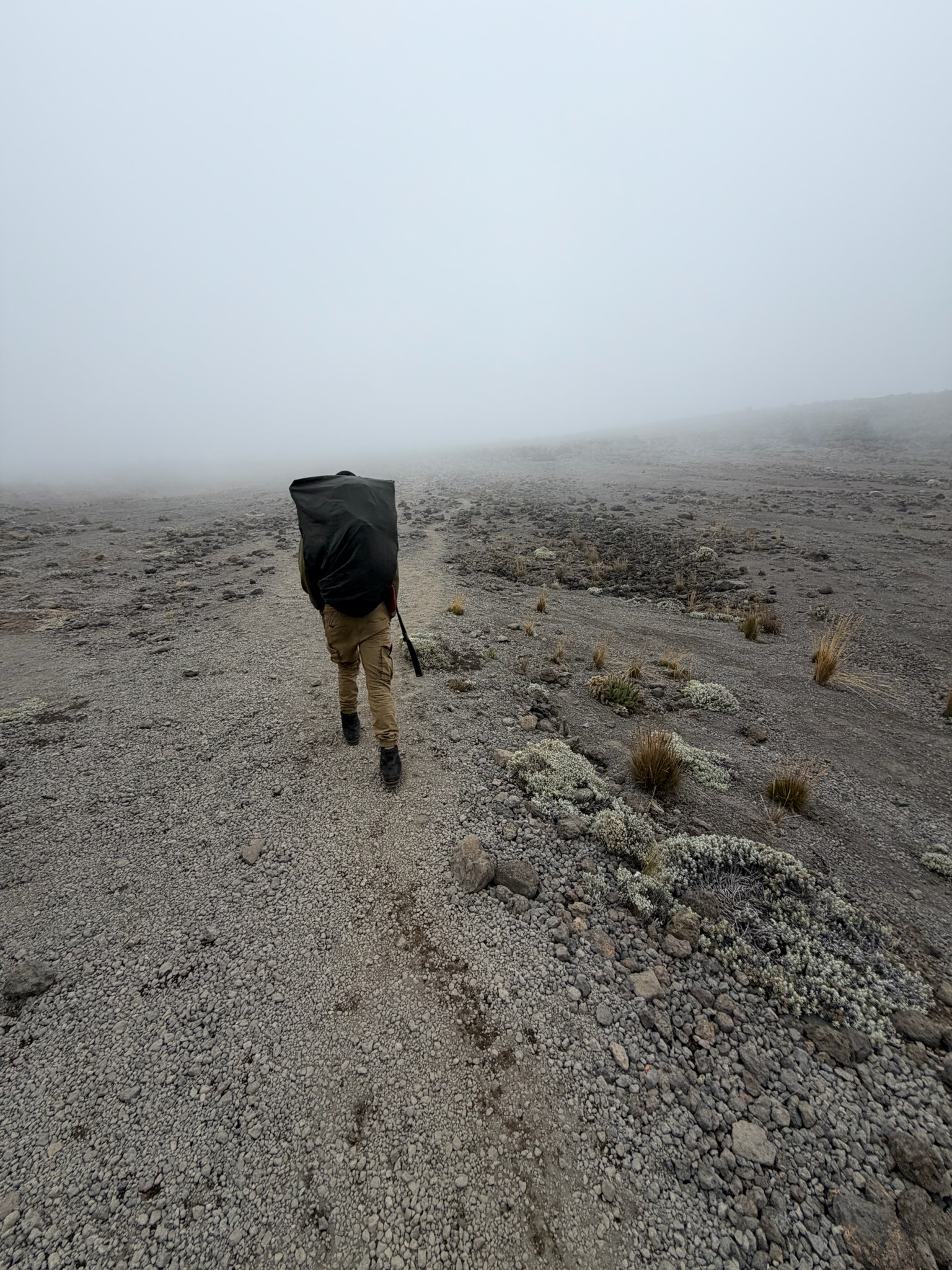
Somewhere on the internet right now, a climber is congratulating themselves on finding a seven-day Kilimanjaro expedition for $2,300. It feels like a win. The other quotes were two and three times that. Same mountain, same route, same summit certificate. Why pay more?
Here is why. The discount is real. Someone else pays it.
The arithmetic doesn't lie
Start with the costs no operator can avoid. Tanzania's national park fees for a seven-day climb come to roughly $822 per climber: conservation fees, camping fees, rescue fees, taxes.6 That money leaves the operator's hands before a single tent is packed.
So a $2,300 climb leaves the operator with about $1,478 to cover everything else: your food for seven days, your guides, your cook, the three porters who carry your world up a 5,895-metre mountain, their food, their wages, transport to the gate, equipment, hotel nights, booking commissions, company overhead, and profit.
PERSON CARRYING YOUR BAG
Independent cost analyses put the realistic floor for a safe, fairly staffed seven-day climb at roughly $2,500 per person, often higher.6 Below that line, the only place left to find savings is the people.
What the flexible line item looks like
The Kilimanjaro Responsible Trekking Organization (KRTO), which runs the Kilimanjaro Porters Assistance Project (KPAP), has monitored porter treatment on the mountain for over two decades. Their published findings, updated this year, are worth reading slowly:1
Despite a government-declared minimum wage, actual salaries paid on the mountain have varied wildly. Some porters earn as little as TSh 10,000 per day. At today's exchange rate, that is about $3.80.7 For a seven-day expedition: roughly $27. Base pay, total, for carrying a 20-kilogram load up and down the highest freestanding mountain on Earth.
Many porters receive only one or two meals per day on a climb, per KPAP's own published statements, while carrying your kitchen.1
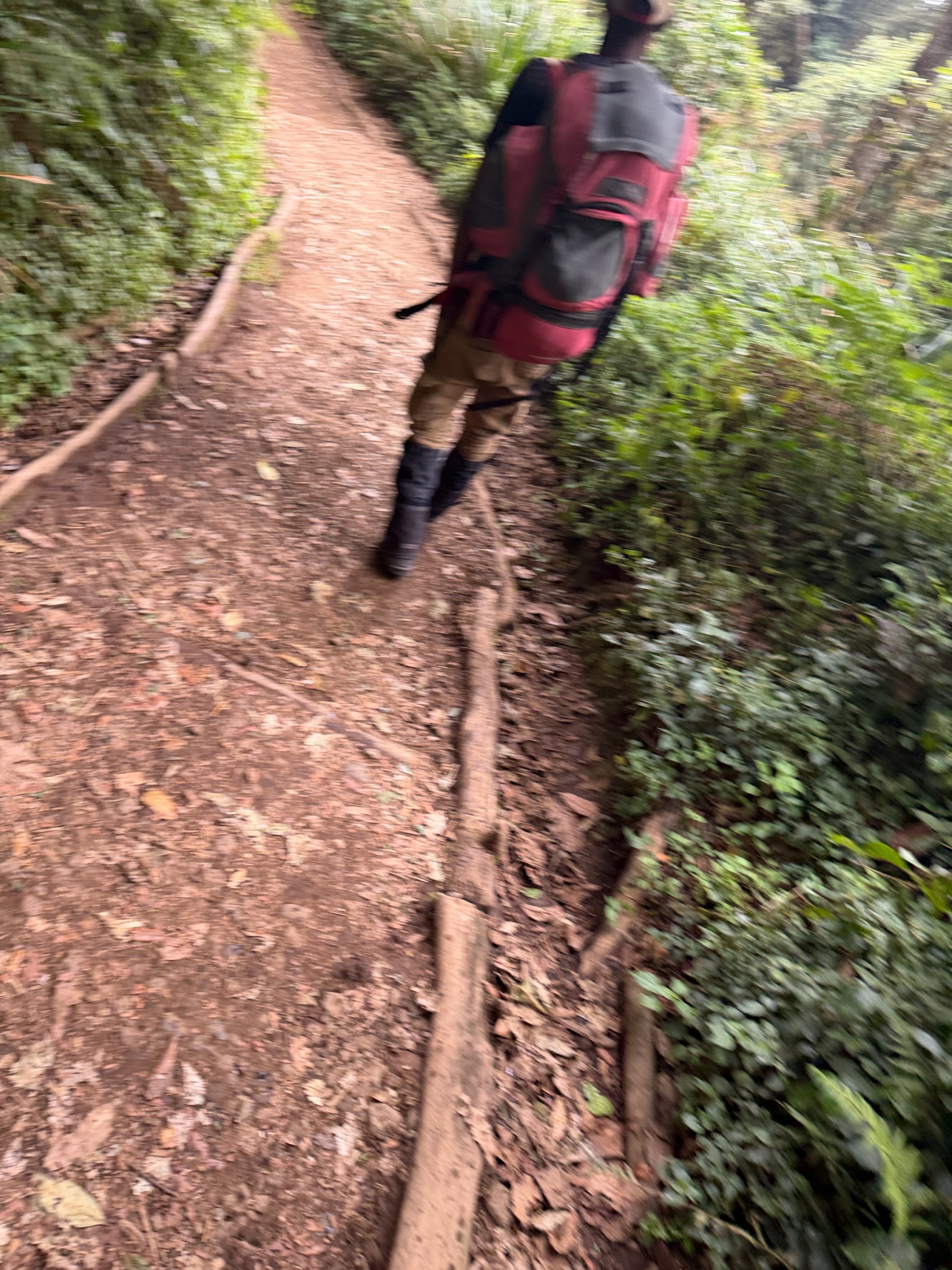
Park regulations cap porter loads at 20kg of company gear. Reporting across the industry documents budget operators pushing loads toward 40kg, because every porter you don't hire is wage you don't pay.5
Porters on under-resourced climbs walk in worn-out shoes and inadequate clothing at altitudes where night temperatures fall well below freezing. The most commonly reported cause of porter deaths on the mountain is exposure. Not falls, not altitude accidents. Cold. The most preventable killer there is.5
The tip is not a bonus. It is the payroll.
The industry's open secret is that tipping on Kilimanjaro is not a reward for service. It is a structural wage subsidy. KPAP states it plainly: crew wages are a basic amount and the tip complements them to provide a living wage.2 Operators price their climbs knowing customers will cover the gap between what they pay and what a human needs to live.
In the worst cases, documented year after year, porters are hired for no salary at all, working seven days at altitude purely in hope of a tip.5 Tanzania's unemployment rate ensures a queue of young men willing to accept those terms.
Even the tip itself is not safe. A practice called kirunje, where extra men appear at the tipping ceremony who never worked the climb, and non-transparent distribution by intermediaries mean the money you handed over with gratitude may never reach the man who carried your tent.2
Who is fixing it, and how little of the mountain they cover
KPAP's Partner for Responsible Travel program monitors operators who volunteer for independent scrutiny: wages verified on every climb, loads weighed, meals counted, tipping witnessed. Since a revised wage agreement in December 2024, partner companies must pay at least TSh 25,000 per day (~$9.50), with a further increase toward TSh 35,000 anticipated. Around 7,500 porters work under partner companies' protection.1
The mountain employs far more porters than that. Everyone else is on the honour system, and the honour system is what produces $27 weeks and uncounted deaths.
The uncomfortable part
If you climbed Kilimanjaro on a rock-bottom package, you did not find a bargain. You found a company that made your discount someone else's problem: the person walking behind you, carrying your sleeping bag, eating less than you, sleeping colder than you, earning in a week what you spent on airport coffee.
Nobody tells climbers this at booking. The price page doesn't say "we found the savings in the porters' dinner." But now you know the arithmetic, and the arithmetic only balances one way.
The $3,000 rule.
If a seven-day climb is priced at or below $3,000, ask the five questions below before you book. Not proof of exploitation, but a prompt. Independent analyses put the floor for a safe, fairly staffed climb at roughly $2,500 to $3,500; at or below $3,000 the margin for fair wages gets thin, and history says the porters absorb the difference.
The five questions
Ask any operator, at any price, before you book. A good one answers all five in writing without flinching. A bad one changes the subject to your summit-success rate.
- Are you a KPAP/KRTO Partner for Responsible Travel?
- What is your porters' base daily wage, in shillings, before tips?
- How many meals a day do your porters eat on the mountain?
- Do you weigh porter loads at the gate, and what is your cap?
- What is your tipping procedure, and is it witnessed?
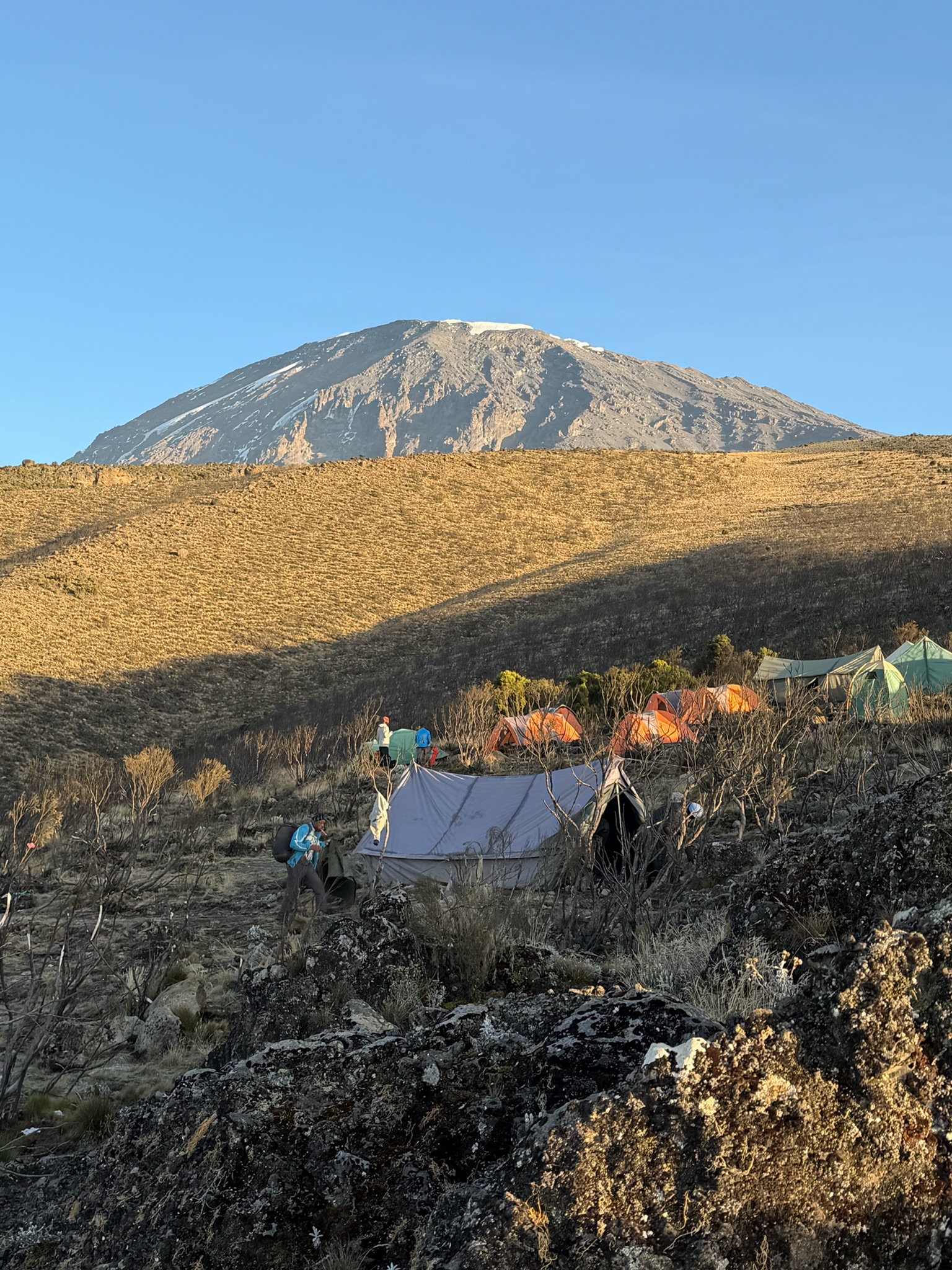
I founded White Mountain Camp, a guided Kilimanjaro expedition company, after learning the economics above. Our mountain crew are paid above the KPAP partner wage floor as base salary, not tip-dependent income, because we believe you cannot sell a premium experience carried on underpaid shoulders. This piece is advocacy and it is also, unavoidably, the reason our company exists. Read it as both. I've chosen to put the brand's name on this rather than my own. The argument matters more than the author, and every number here can be verified without trusting either of us. Whoever you climb with, ask the five questions. A note from our founder →